
When you walk through the orchard, it’s easy to admire the blossoms, the fruit beginning to grow, and the beauty of summer taking shape. But behind every apple, strawberry, and many of the foods we enjoy each day are some of nature’s smallest and hardest workers: pollinators.
National Pollinator Week, celebrated each June, is a time to recognize the important role these creatures play in our food systems and ecosystems.
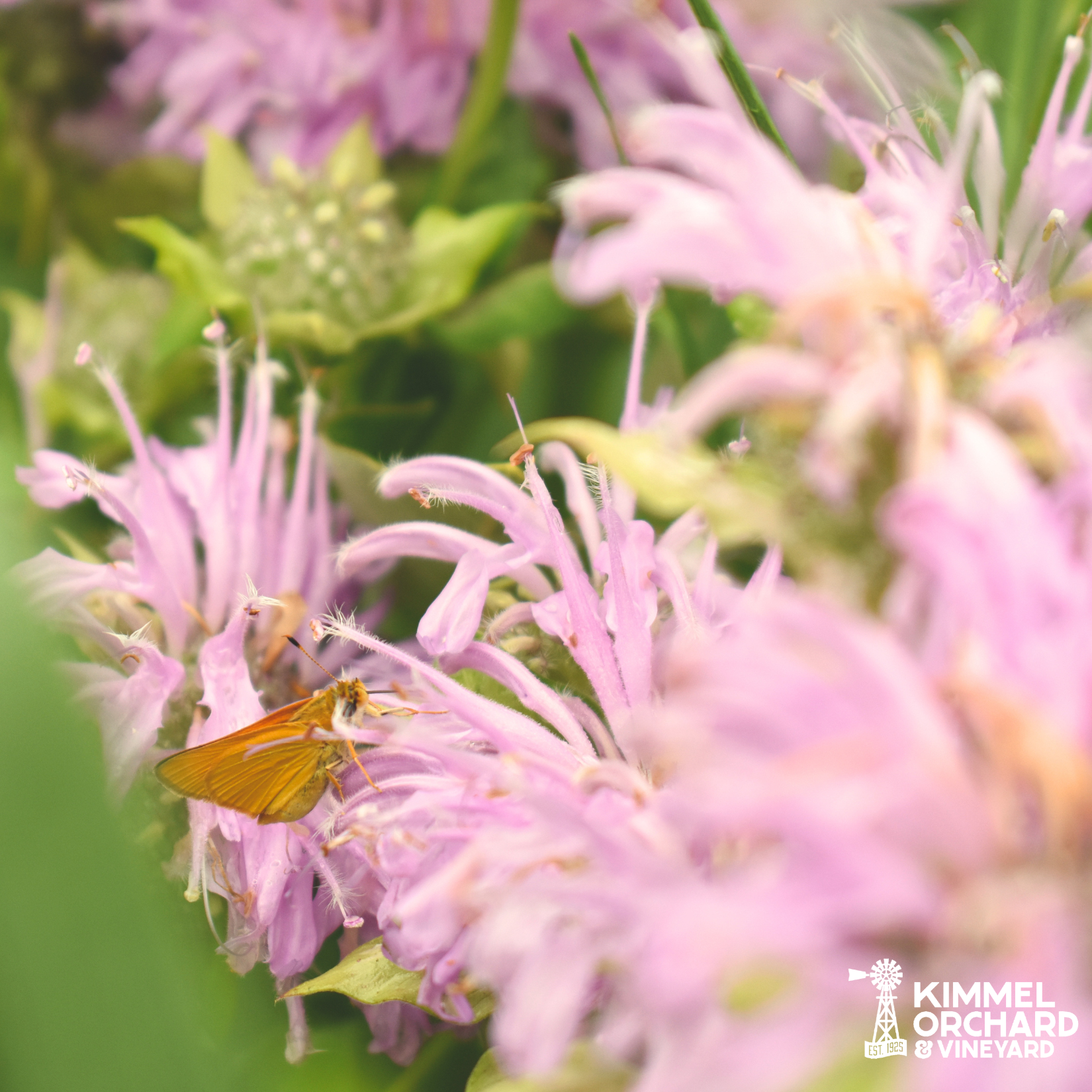
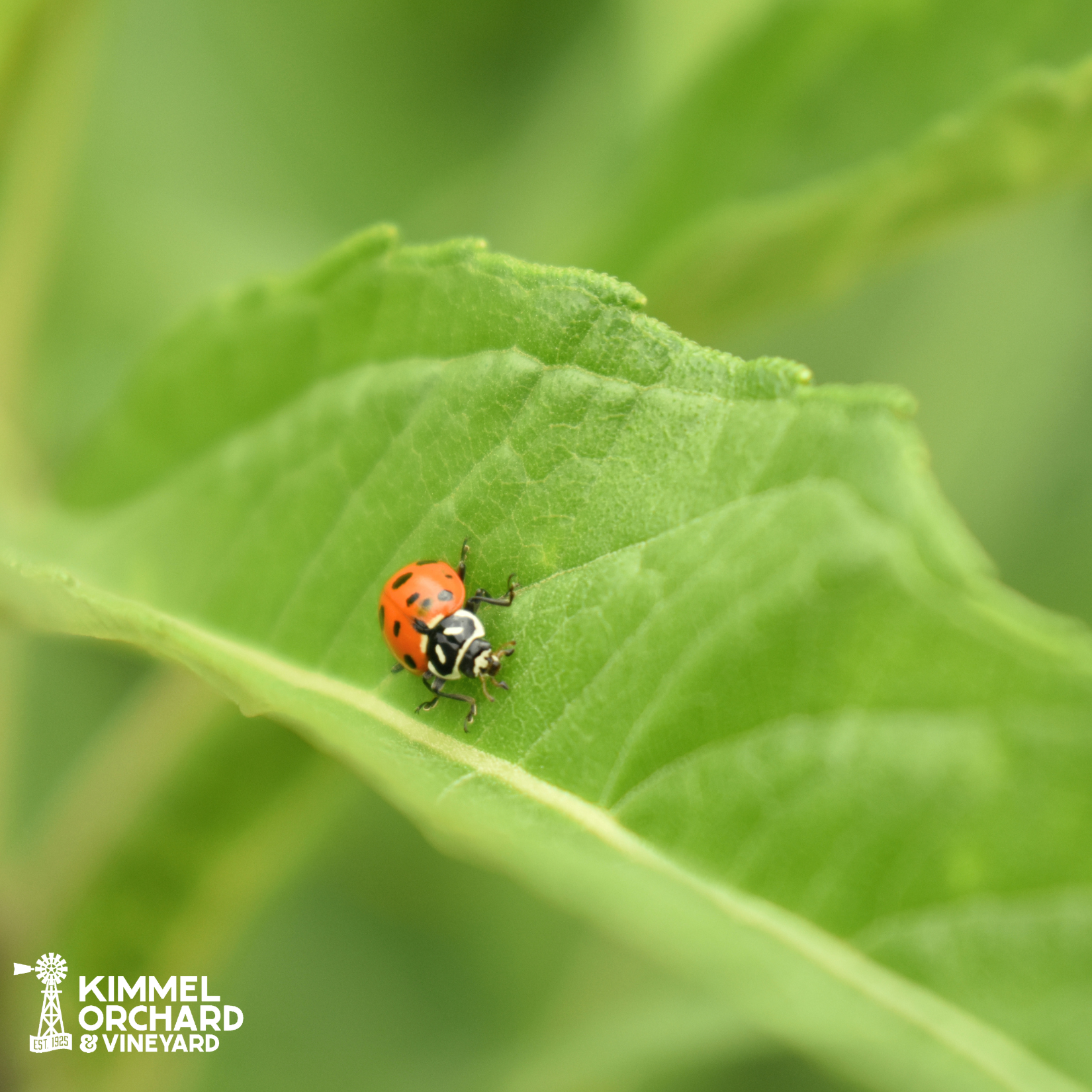
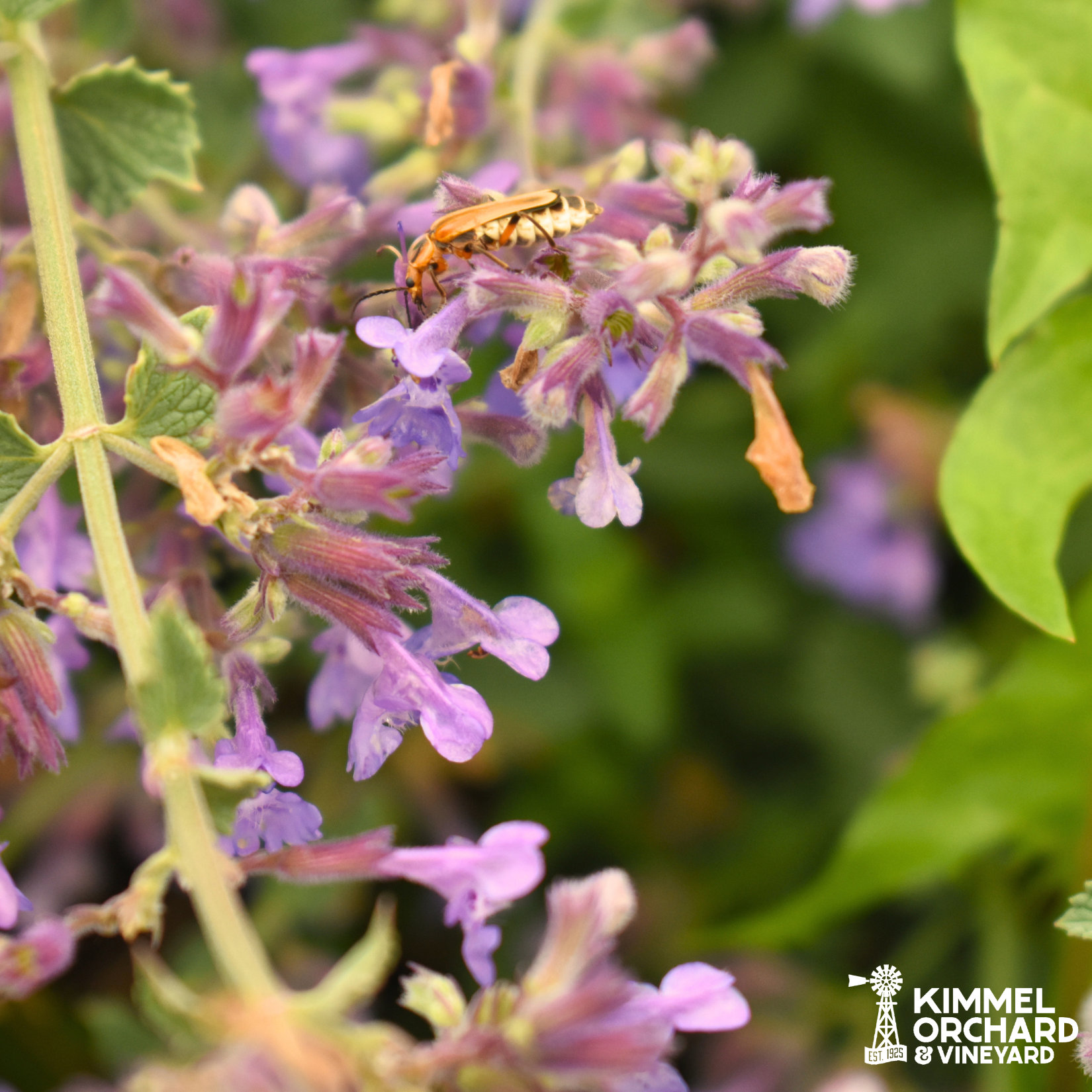
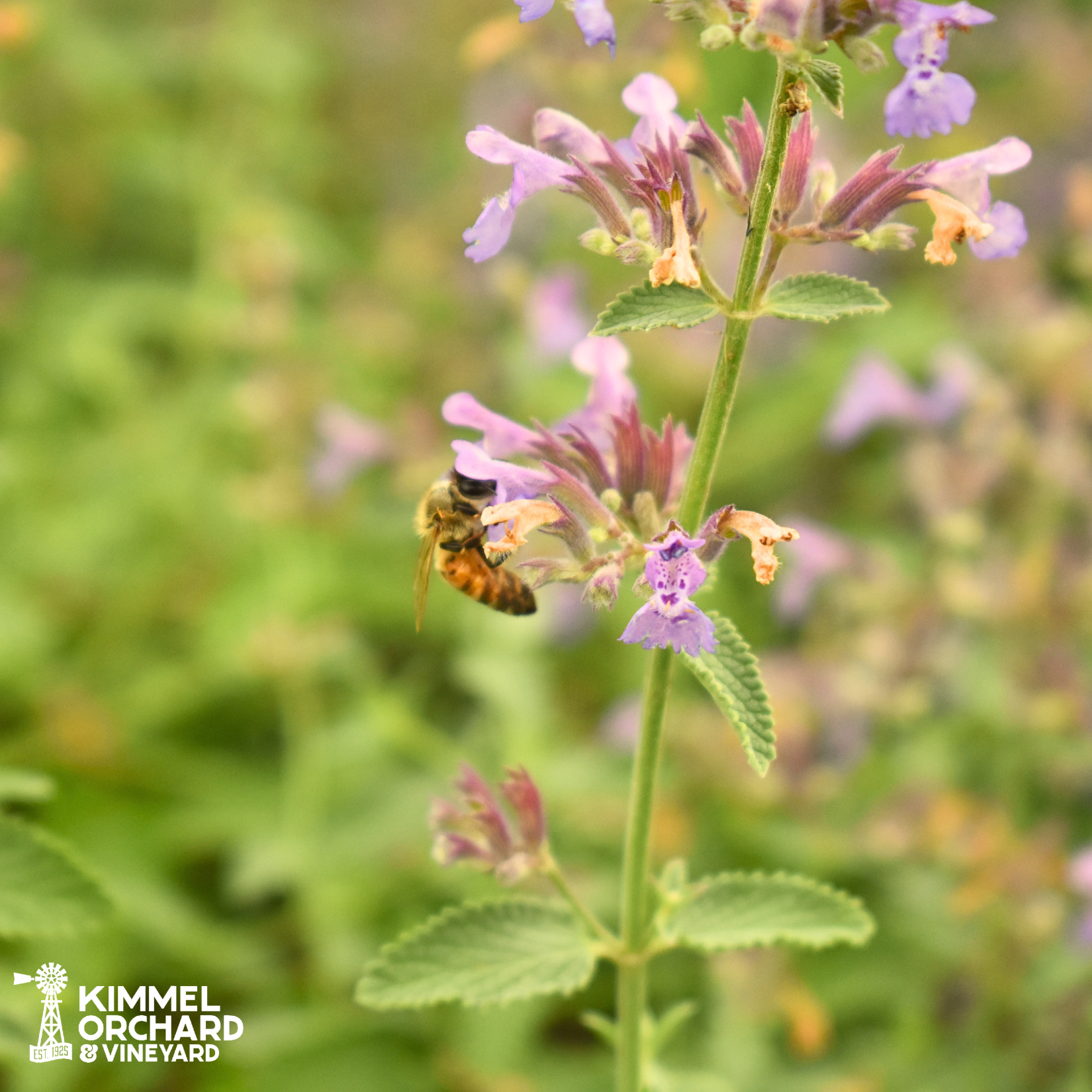
When most people think of pollinators, honeybees often come to mind. While they certainly play an important role at Kimmel Orchard, they are only part of the story. According to The Xerces Society for Invertebrate Conservation, pollinators also include native bees, butterflies, moths, beetles, flies, and even some birds and bats. Together, these species help move pollen between flowers, allowing plants to produce the fruits, vegetables, and seeds that feed us.
In fact, pollinators are responsible for helping produce approximately one-third of the food and beverages we consume. From apples and strawberries to pumpkins and countless wildflowers, their work surrounds us every day.
The good news is that supporting pollinators can begin right in your own backyard. The Xerces Society’s “Bring Back the Pollinators” campaign highlights four simple ways anyone can help:
• Grow pollinator-friendly flowers with blooms that provide nectar and pollen throughout the season
• Provide places for pollinators to rest, nest, and complete their life cycle
• Avoid unnecessary pesticide use that can harm beneficial insects
• Spread the word and encourage others to create pollinator-friendly spaces
At Kimmel Orchard, we see the impact of pollinators every season. The blossoms that fill our orchard each spring are the beginning of a journey that eventually leads to fresh apples in the fall, sweet strawberries in the summer, and the traditions families have enjoyed here for generations.
So this National Pollinator Week, take a moment to appreciate the tiny creatures buzzing around your garden, your backyard, or the orchard. Their work may be small, but their impact is truly something to celebrate.
To learn more about protecting pollinators and how you can get involved, visit the Xerces Society’s Bring Back the Pollinators initiative.