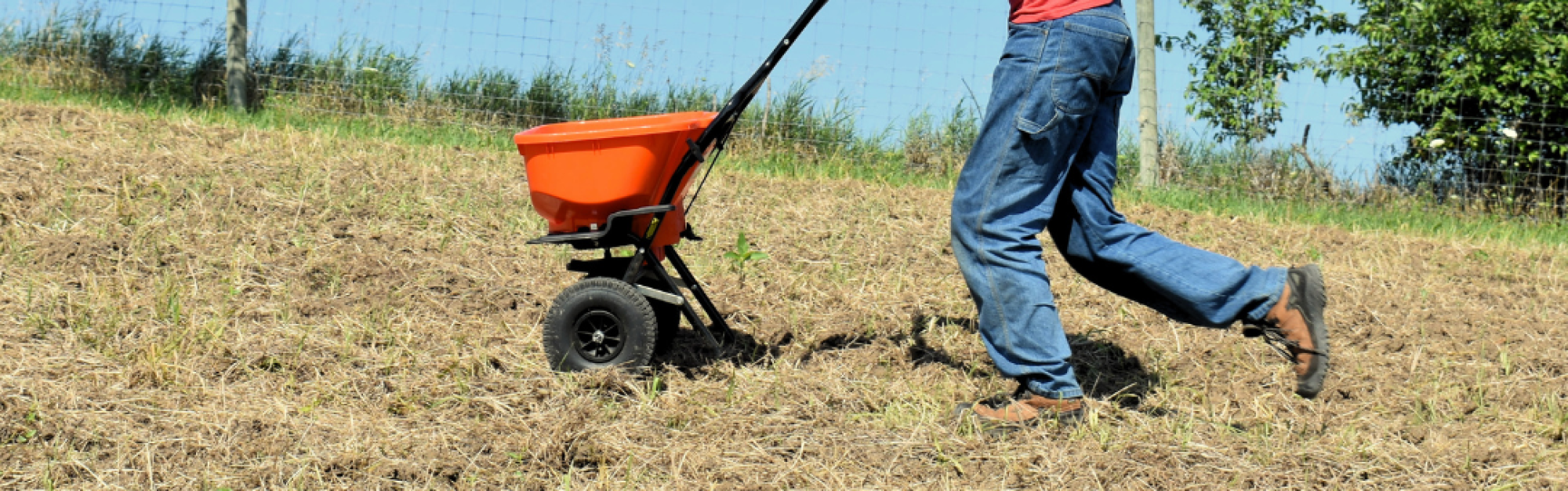
When you think about growing apples, it is easy to focus on what is happening above the ground. Trees are planted. Blossoms begin to open. Fruit starts to grow. But sometimes, preparing for the future of the orchard means giving the ground itself time to rest.
That is the idea behind fallow ground, an agricultural practice where farmland is intentionally left uncropped for a period of time. Rather than immediately planting another crop, the soil is given an opportunity to rebuild its structure and prepare for future plantings.
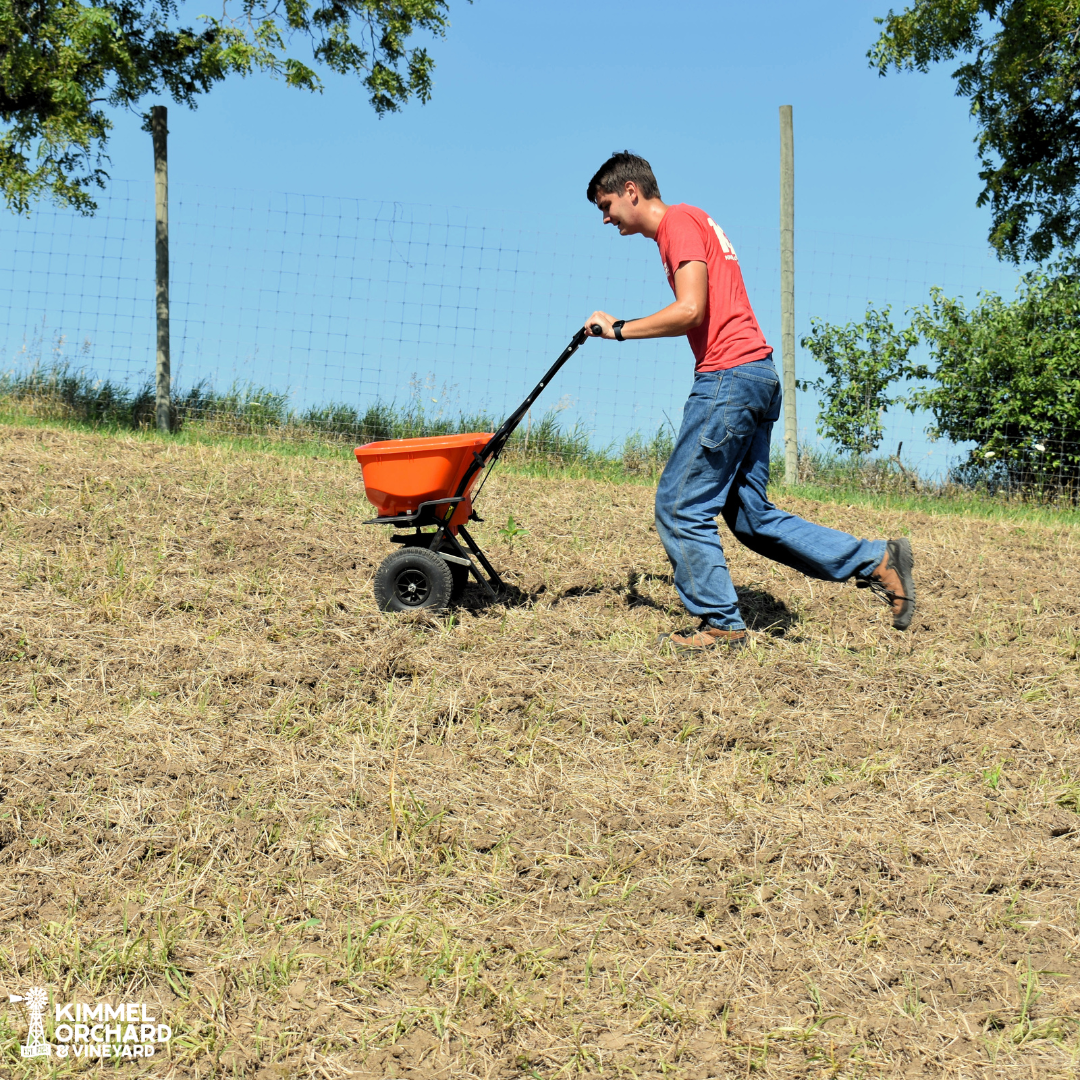
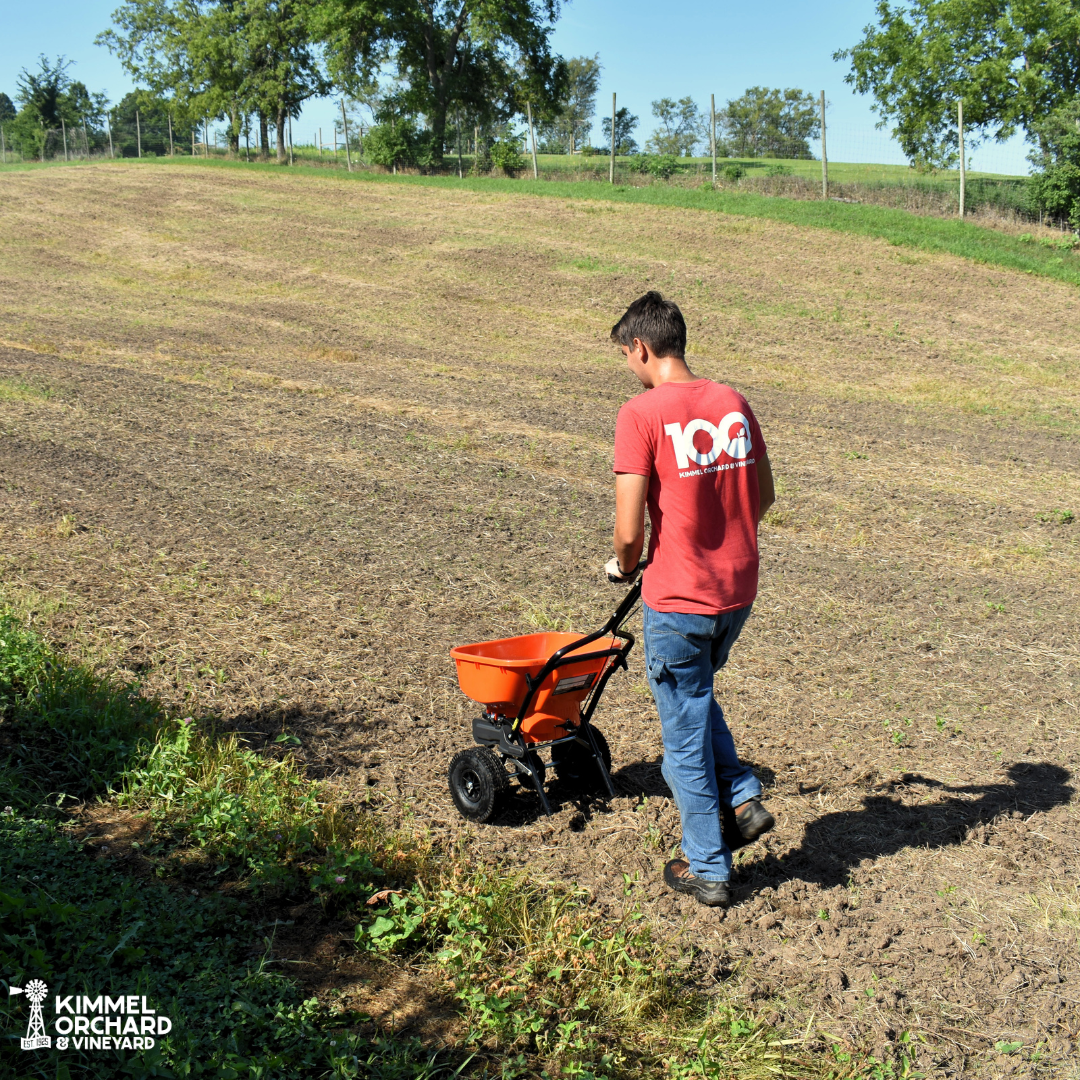
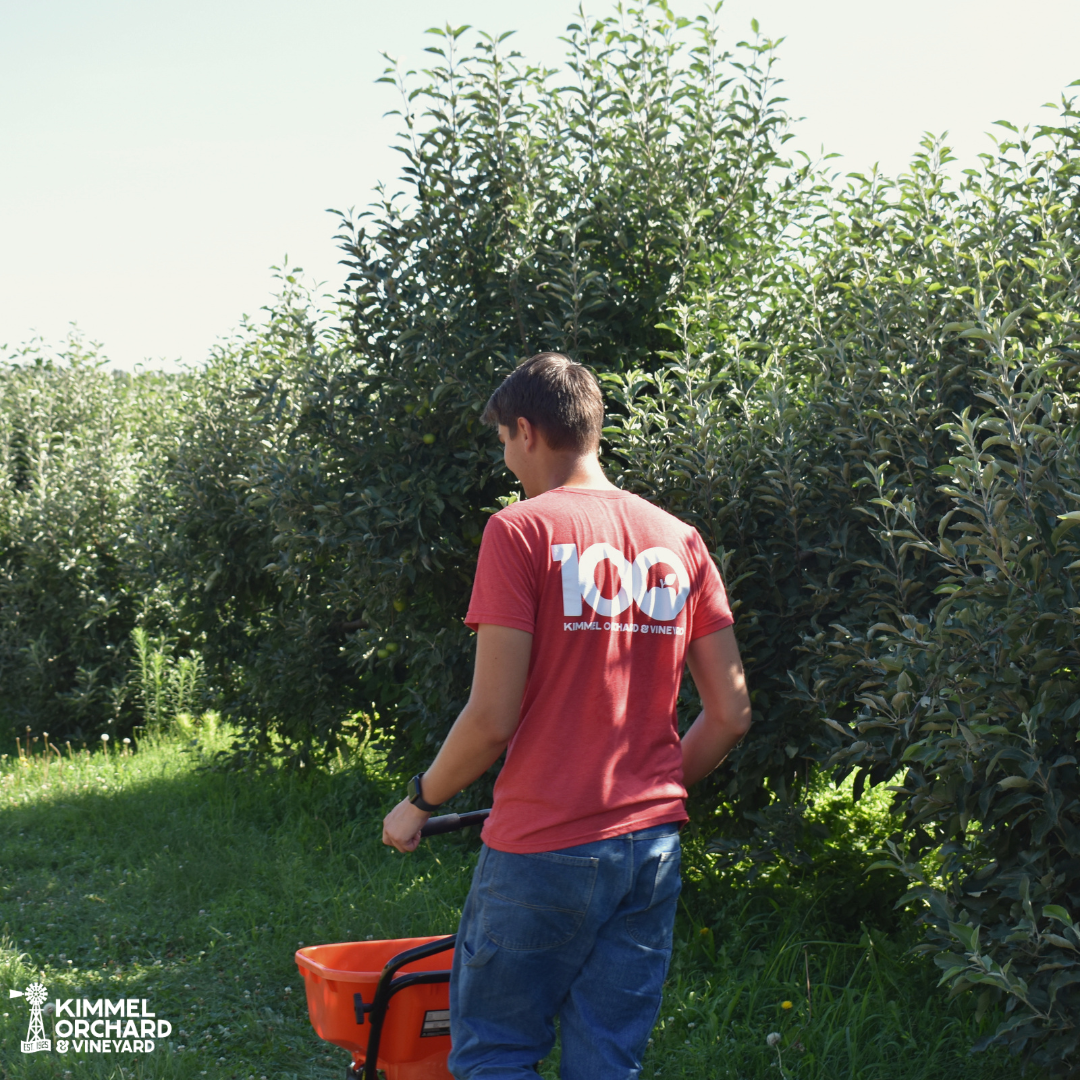
This summer, Kimmel Orchard intern Seth is taking that idea one step further.
Seth is a senior at the University of Nebraska-Lincoln studying agronomy with a minor in horticulture. As part of his internship at Kimmel Orchard, he has taken his interests in soil conservation and integrated pest management and turned them into a project designed with the future of the orchard in mind.
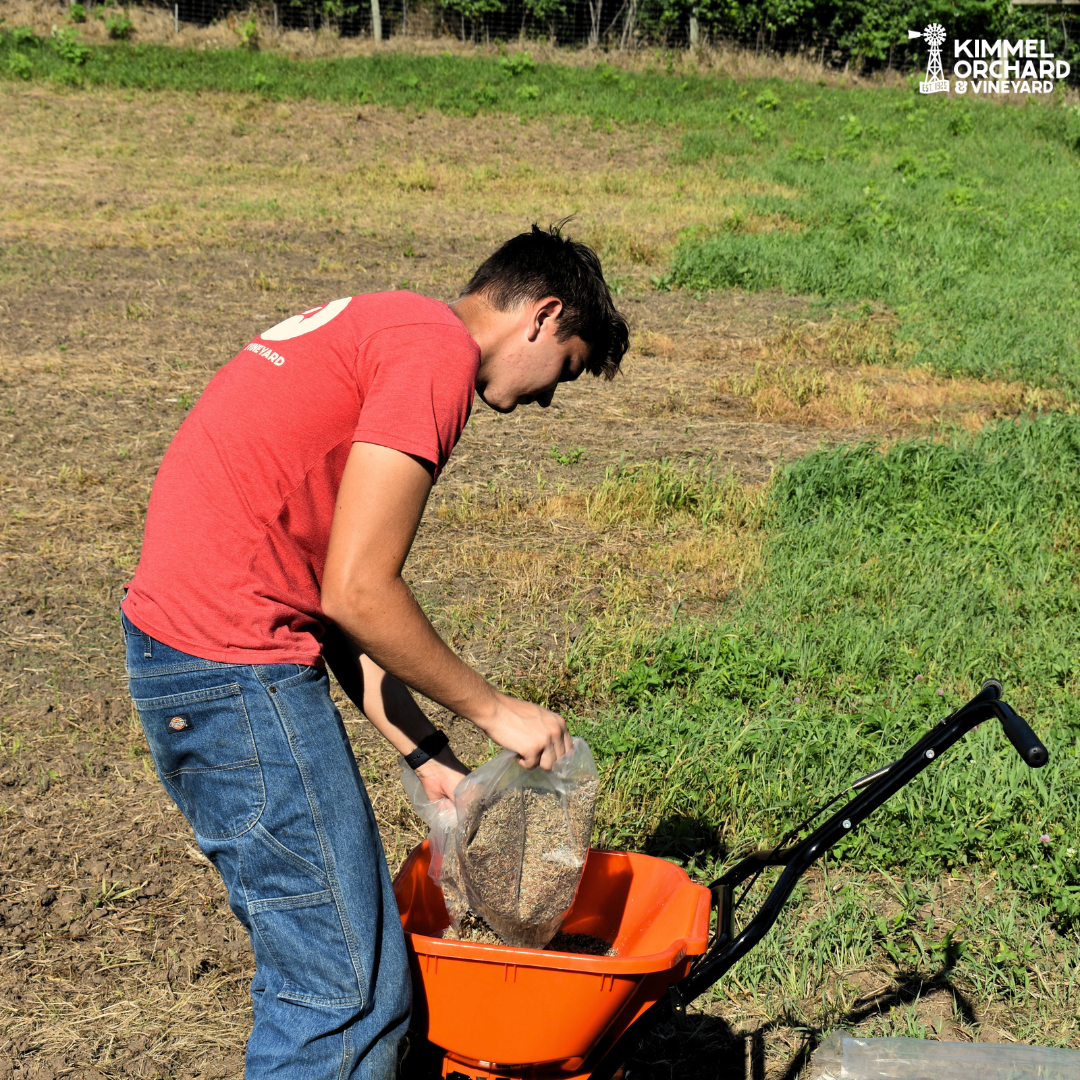
Instead of simply leaving the ground untouched, Seth's fallow plot incorporates native prairie grasses and wildflowers. The goal is to build the soil profile while creating habitat for pollinators and other beneficial insects.
And there is a lot happening beneath the surface.
Some native prairie grasses can develop root systems reaching as deep as 15 feet. Those extensive roots help hold soil together, while the plants themselves produce biomass that eventually adds organic matter back into the ground. Soil with higher organic matter can make more nutrients available to future plants.
Above ground, native wildflowers are doing another important job.
Native flowers and native pollinators evolved alongside one another, making them a natural match. In fact, native bees can be up to three times more efficient at pollination than honeybees. By incorporating native wildflowers into the plot, Seth's project is helping create habitat and food sources for these important orchard visitors.
But pollinators are not the only insects we want to see.
Many of the flowers included in the plot are also preferred by green lacewings. While they may be small, green lacewing larvae feed on aphids and other common orchard pests. Encouraging populations of beneficial insects like these could potentially help reduce pest pressure and, in turn, the need for some pesticide applications.
Of course, projects like this take patience.
One of Seth's biggest takeaways from the project has been learning about the three stages of establishing native plants: sleep, creep, and leap. The first year, they sleep. The second year, they creep. By the third year, they leap.
In an orchard, we understand that good things rarely happen overnight.
The trees, fruit, and traditions families enjoy at Kimmel Orchard all begin with taking care of the resources that make them possible. This fallow plot may one day become fertile ground for future apple trees, but right now, it is giving Seth the opportunity to explore his interests, put what he has learned in the classroom into practice, and leave a lasting impact on the orchard.
For Seth, this project started with a passion for soil conservation and integrated pest management. For future Kimmel Orchard interns, who knows what an interest, an idea, and a little room to explore could grow into?
Sometimes, growing for the future starts by giving the ground a little time to rest.