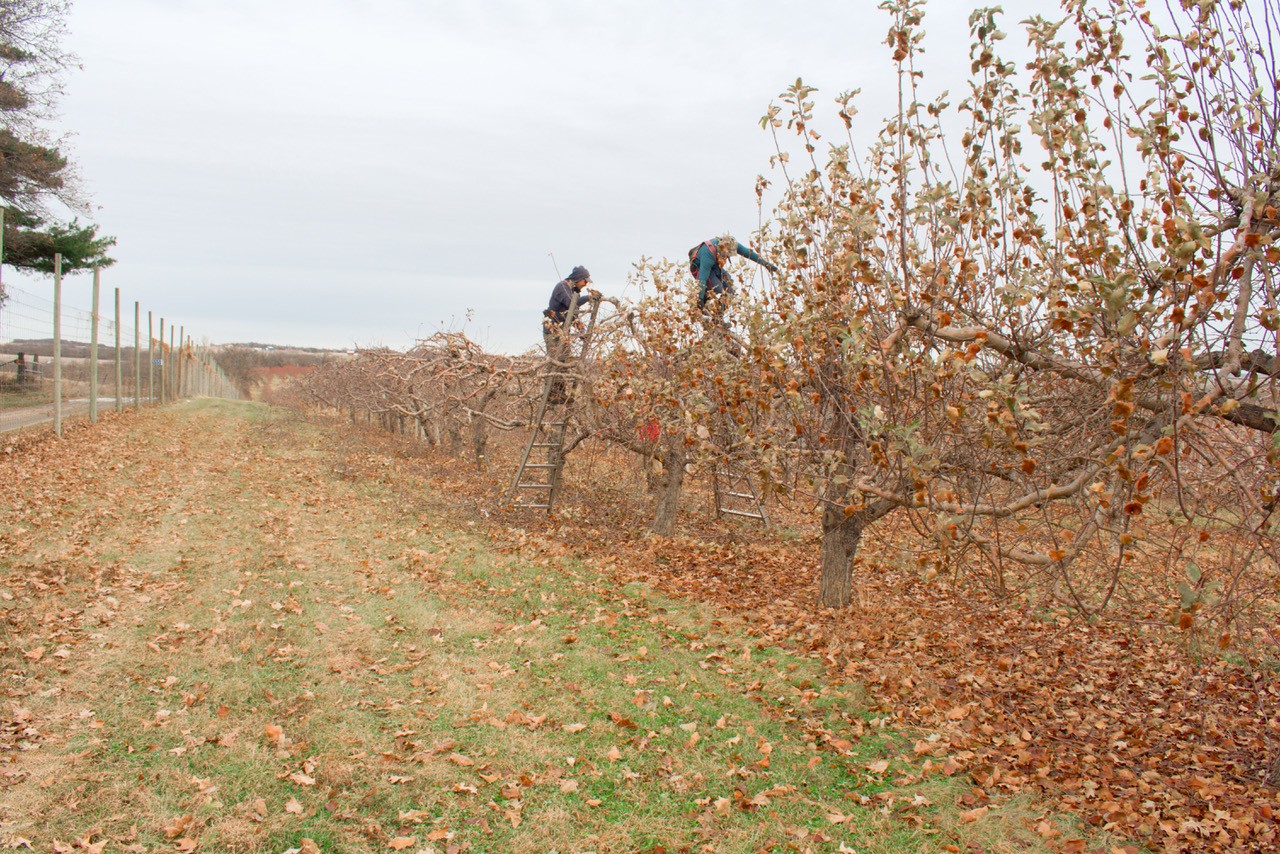
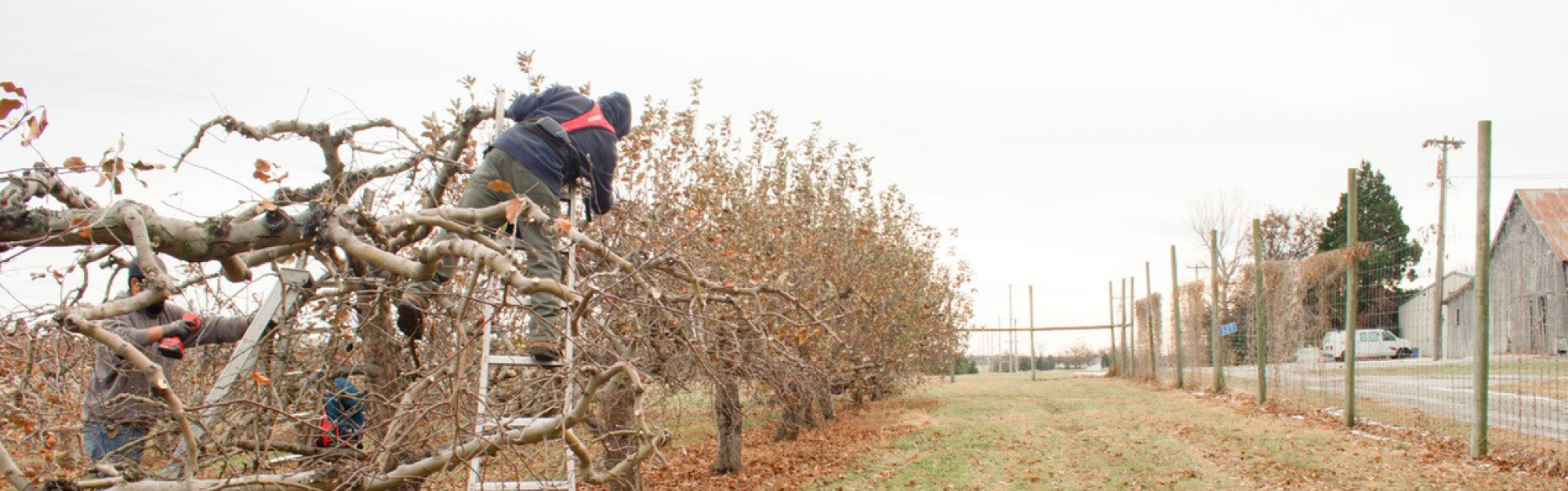
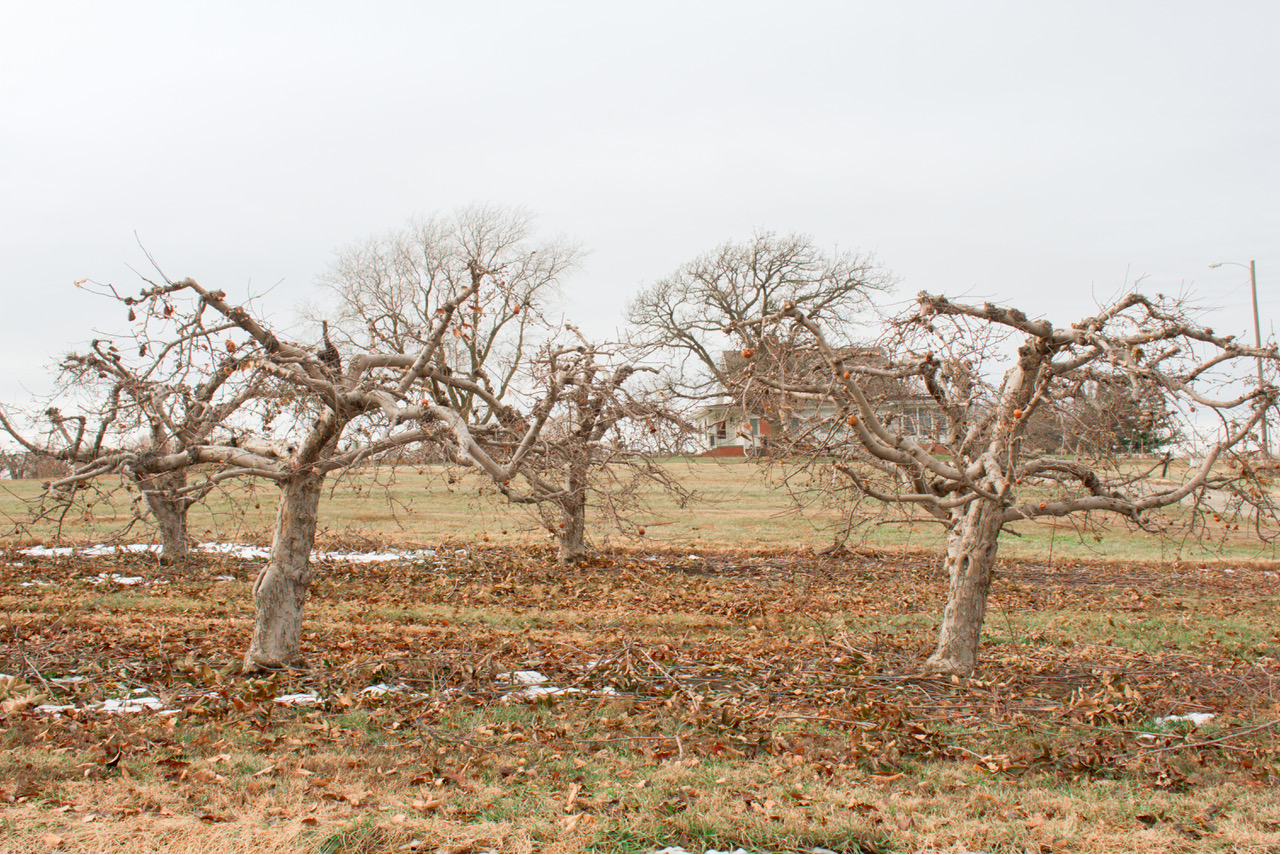
Here at Kimmel Orchard & Vineyard, we’re lucky. From breathtaking views of rolling fields to the crisp, sweet taste of our apples, peaches, pears, and cherries, the orchard feels like a gift that’s always ready to be enjoyed. But what many of our guests don’t see is the work that goes into creating that beauty. Winter is a quiet season, but it’s far from idle.
One of the most important tasks this time of year? Pruning.
Pruning: More Than Just Cutting Branches
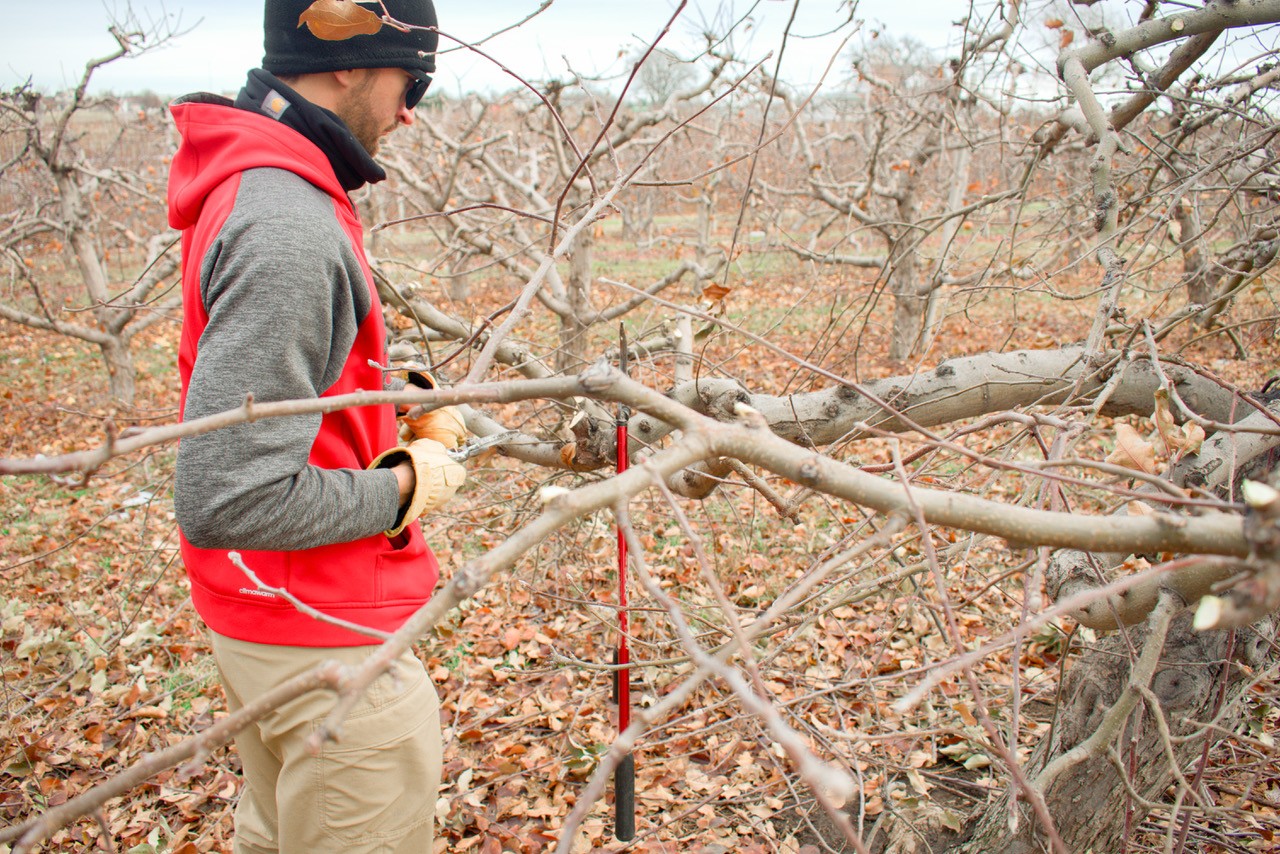
Pruning might seem simple, but it’s both an art and a science. Each branch removed, each bud carefully considered, helps the tree grow stronger, healthier, and more productive. By removing dead, diseased, or crowded wood, we allow sunlight to reach every leaf and fruit, improve airflow, and even give natural predators a better chance at keeping pests in check.
For some plants, like our strawberries, pruning is just as essential. By trimming runners, we redirect the plant’s energy from creating new plants to producing larger, sweeter berries. Every cut has a purpose, and every decision shapes the orchard’s success.
Different Trees, Different Techniques
Not all trees grow the same way, and each type of fruit requires its own approach.
- Apple trees trained to a central leader system are pruned to build strong scaffolds capable of supporting heavy crops.
- High-density tall-spindle apples aren’t pruned much when young, allowing flexible growth before careful cuts are made to maintain structure.
- Peaches often take a vase-shaped, open-center form, encouraging side branches to spread and sunlight to reach every corner of the tree.
- Pears and cherries may have multiple leaders or different pruning techniques depending on the cultivar.
Each tree is unique, and our staff pays close attention to ensure pruning improves health, increases fruit quality, and sets the orchard up for long-term success.
The Benefits of Pruning
When done well, pruning can transform the orchard:
- Sunlight penetrates deeper, producing brighter, sweeter, more flavorful fruit.
- Airflow improves, lowering the risk of disease.
- Pesticides and sprays can better reach all parts of the tree.
- Branches are strengthened to support larger fruit loads.
Pruning also redirects the tree’s energy, encouraging larger and higher-quality fruit while removing wood that could harbor disease or pests. It’s hard work that pays off in ways visitors may not notice but feel in every bite.
Winter Work That Sets the Stage for Spring
Winter may make the orchard look quiet, but it’s full of action. Each pruning cut prepares the orchard for the coming seasons, spring blossoms, summer growth, and the fall harvest. It’s the behind-the-scenes work that makes our orchard both productive and beautiful.
Next time you stroll through Kimmel Orchard or enjoy a freshly picked treat, take a moment to appreciate the care and effort behind every branch. Pruning may not be glamorous, but it’s the labor of love that allows our orchard to shine year after year.